











Vegetables You Can Grow in Containers Even Without a Garden
Vegetables that grow in containers are a great option if you don’t have a garden, backyard, or much outdoor space. I’ve discovered that growing some of your own food doesn’t actually require a large garden. To begin, a windowsill, patio, balcony, or simply a sunny corner may be sufficient. If you’re new to growing food, you might also like my advice for fast-growing vegetables and my tutorial on how to grow tomatoes on your balcony. Additionally, check out my advice to starting a balcony garden in a small space if you’re working with a very little area.
I was blown by how productive a few pots could be when I first started growing veggies in containers. At first, I believed that I required a big garden or raised beds, but that was untrue.
You can produce surprisingly many vegetables in tiny space if you have the proper container, good potting soil, enough sunlight, and frequent watering.
Therefore, the answer to the question, “Can I grow vegetables without a garden?” is definitely yes.
Even if you don’t have much room, you can grow these vegetables in pots.
1. Lettuce
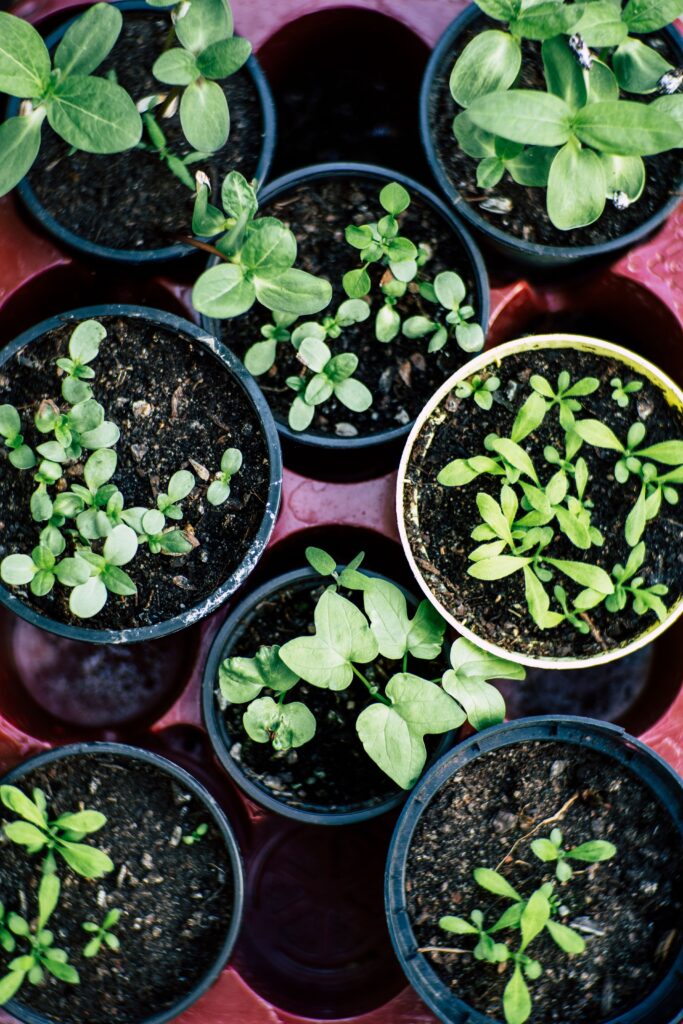
One of the simplest plants to cultivate in containers is lettuce, which makes it ideal for beginners.
Lettuce has rather shallow roots, so you don’t need a very deep container. It works great in a window box, planter box, or large pot.
- Use a container that is about 6 to 8 inches deep.
- Put it in an area that gets several hours of sunshine.
- Maintain a steady moisture level in the soil.
- As the plant develops, harvest the outer leaves.
The fact that you don’t always need to harvest the entire plant at once is one of my favorite things about growing lettuce. Anytime you need them, you can gather a few leaves.
2. Carrots
Carrots can absolutely grow without a garden!
Selecting a container that is deep enough for the type you’re growing is crucial.
Because they don’t require as much soil depth, shorter carrot cultivars are especially well suited for container gardening.
- Select a deep container.
- Make use of loose, well-draining soil.
- Steer clear of compacting the soil.
- Maintain uniform soil moisture.
- To make growing carrots easier, choose smaller types.
Growing carrots in containers is a terrific way to bust the myth that they need a typical garden bed.
3. Peppers
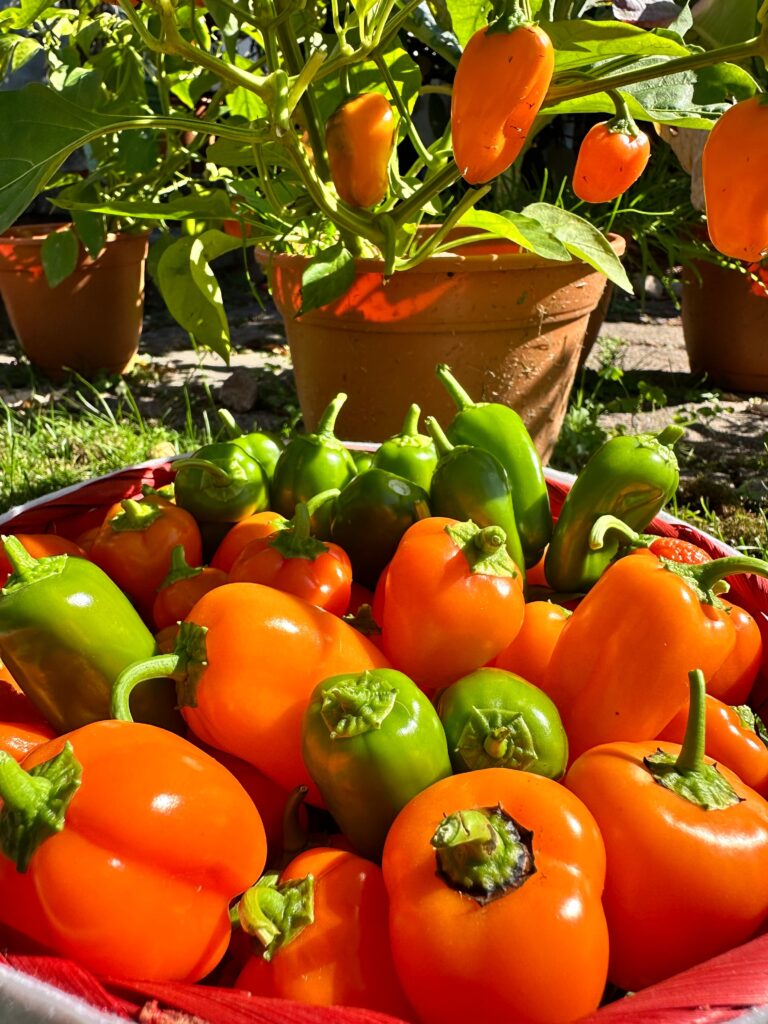
Surprisingly, container planting works wonderfully for peppers.
Many types of peppers may thrive in pots, regardless of your preference for fiery or sweet peppers.
In addition to providing stability as the plant grows taller, a larger container allows the roots plenty of space.
- Depending in the type, pick a container that holds at least five gallons.
- Put it somewhere that gets plenty of sunlight.
- Make use of potting mix that drains efficiently.
- Water regularly.
- If needed, provide support for larger plants.
You don’t always need multiple pepper plants because one healthy plant can yield a good harvest.
4. Cherry Tomatoes
With good reason, cherry tomatoes are among the most popular vegetables for container gardening.
They are ideal for patios and balconies, productive, and rather simple to grow.
Tomato plants require space for their roots, so you’ll need a rather large container.
- Select a big container.
- Ensure that it has holes for drainage.
- Make sure the plant gets lots of sunlight.
- Water regularly.
- For support, provide a tomato cage or stake.
Cherry tomatoes are particularly appealing to me because they are simple to harvest directly from the plant. Growing something you can eat nearly instantly has a certain satisfaction.
5. Beets
Another one of the root vegetables that grow surprisingly well in containers is beets.
For the roots to grow properly, the container must be sufficiently deep.
You can get two beneficial crops from a single plant by eating the leafy tips as well.
- Use a container that is between 10 and 12 inches deep.
- Select loose soil.
- Maintain a steady moisture level in the soil.
- When needed, thin seedlings.
- When the roots are the right size, harvest.
6. Garlic
If you don’t have a garden, you can still grow garlic in containers.
It’s one of those crops that once planted, doesn’t need much care, but it does require patience.
- Select a container with adequate drainage that is rather deep.
- The pointed end of each garlic clove should be planted vertically.
- Make use of loose, well-draining soil.
- Put the container in a sunny spot.
- When necessary, use water.
- Before harvesting, let the leaf reach maturity.
Garlic is an interesting plant to experiment with if you’re interested in growing food from items you already have at home.
7. Ginger
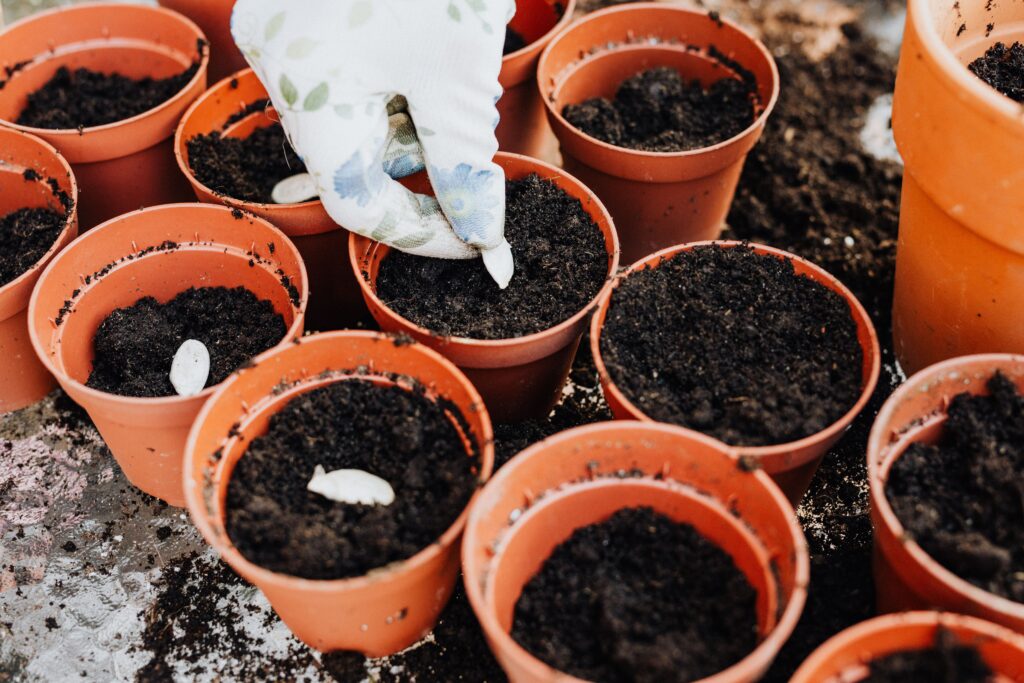
Another crop you can grow in a container is ginger, which can be especially satisfying because you can start with a piece of ginger root.
In extremely hot areas, it prefers warm weather and indirect or filtered sunshine to harsh direct sunlight.
- Select a large container with adequate drainage.
- Plant a healthy piece of ginger rhizome.
- Maintain a little moisture content.
- Put it somewhere warm.
- Allow the rhizome ample space to spread.
Although it takes longer to mature than some of the other vegetables on this list, ginger is a fantastic choice if you want to try growing food at home.
How Many Vegetables can you Realistically Grow in containers without a Garden?
More than you may imagine!
If you carefully design your space, even a small balcony may accommodate multiple containers.
For instance, you might have
One big cherry tomato pot
One pot for peppers
A lettuce window box
A radish container
A green onion pot
A container for chives and herbs
A deep pot for carrots
If you don’t have a typical garden, that’s plenty to establish a remarkably productive little vegetable garden.
When you have limited room, growing vegetables in pots can be a simple way to begin gardening. You can experiment with a wide variety of veggies whether you have a windowsill, patio, balcony, terrace, or just a little sunny spot.
For me, container gardening is fantastic because it makes food production seem so much more accessible. You can gradually expand your collection by starting with just one pot and learning as you go.


Leave a Reply