












Gardening for small spaces – A Beginner’s Guide to Growing More in Less Space
Think you need a large backyard to enjoy gardening? Whether you live in a studio apartment or a home with a tiny patio, gardening in a small space can still be productive and rewarding. With a little creativity and patience, you can grow your own produce in the smallest space.
Small space gardening is perfect for anyone wanting fresh produce without having a large garden. It is also preferred by those who have small apartments. The best part about small space gardening is that you have a smaller space to maintain.
Less space = less maintenance
If you are just getting started with gardening, you might also enjoy my blog post on Gardening in 5 Minutes a Day
A few links in this post are affiliate links. That means I may earn a small commission if you make a purchase—without costing you a single cent extra. Thank you for supporting what I do! For more information, please see my Disclaimer page.
Common Planting Mistakes
Although gardening can be a fun and rewarding activity, there are a few common mistakes that can turn it into a frustrating project.
- Choosing containers that are too small. Small containers can suffocate the roots not allowing the plant to grow properly. If you have limited space, choose small but deep pots to allow breathing space for the roots
- Forgetting to water consistently. Containers dry out faster than garden beds, especially during summer. Use self-watering tools if you are short on time.
- Growing the wrong plants. For produce to grow in a small balcony, some crops are more likely to yield fruit than others. Focus on compact plants like tomato, lettuce, spinach and herbs.
- Overwatering. It is a common misunderstanding that more water leads to higher yield but in reality it causes the roots to rot leading to the leaves turning yellow and harming the plant growth.
- Skipping fertilizer. Since the plants are growing in containers, they do not have access to sufficient nutrients therefore stunting their growth. You can make your fertilizer at home using scraps from your kitchen.
- Giving up too soon. Patience is the key to a successful gardener. For a beginner, making mistakes is very common. Gardening is a learning process.
Before you start purchasing anything, here are some practical tips that will help you create a beautiful garden.
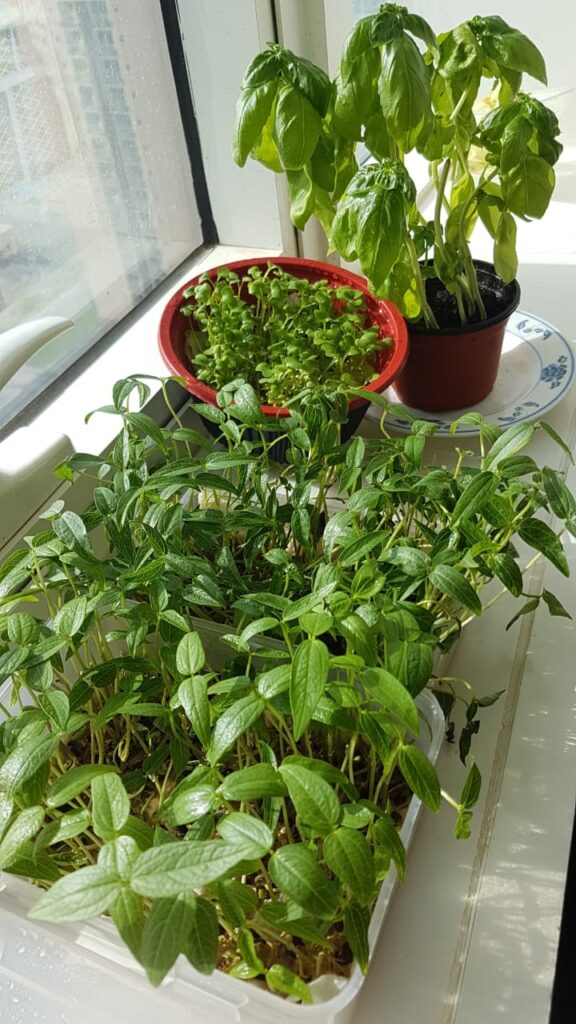
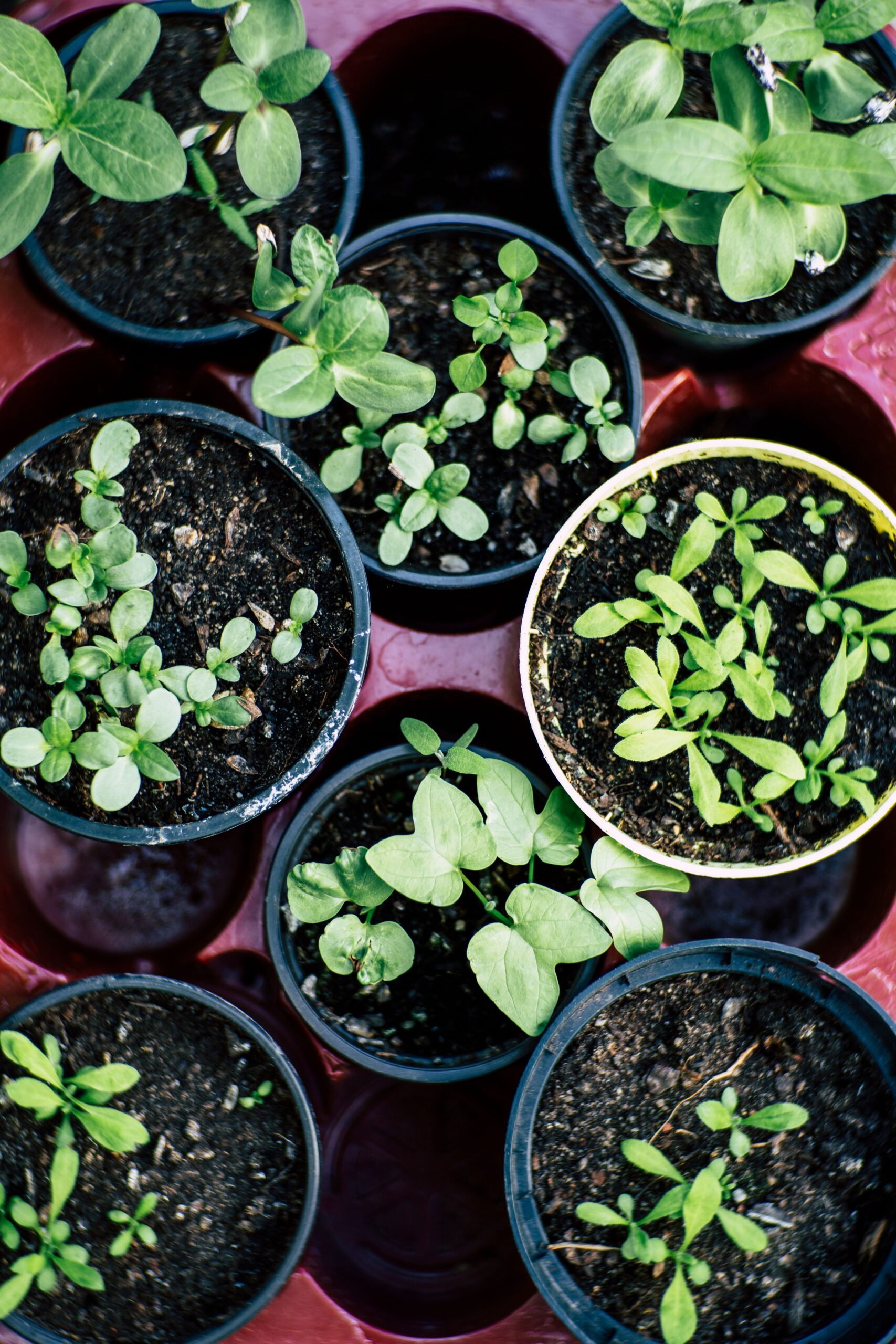
Photo above:🌿 No yard? No problem. My gardening journey started with microgreens on my kitchen window
Evaluate your space
Before purchasing plant seeds or containers, assess the space you have available to grow your plants. Don’t forget to consider your window ledges, wall space for vines and trailing plants or any other sunny spot you may have available. If you’re looking to grow vegetables, the plant needs to have access to some sun during the day, about 5-6 hours a day.
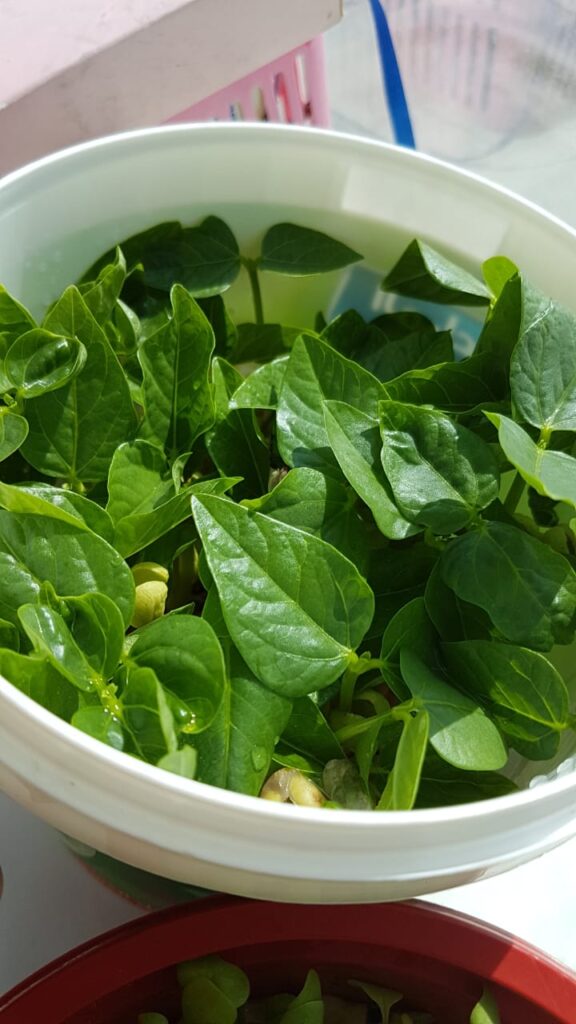
Photo above: 💚 Looking back, it’s amazing how much joy came from that first tray of microgreens.
Choose the right containers
For small spaces, its best to opt for container gardening. You could use regular pots, hanging baskets or even recycled boxes like yogurt containers like I did in the above image. Whatever you use, ensure they have holes at the bottom to protect your roots. The best containers you can use are:
- Pots & planters
- Grow bags
- Hanging baskets
Vertical Gardening
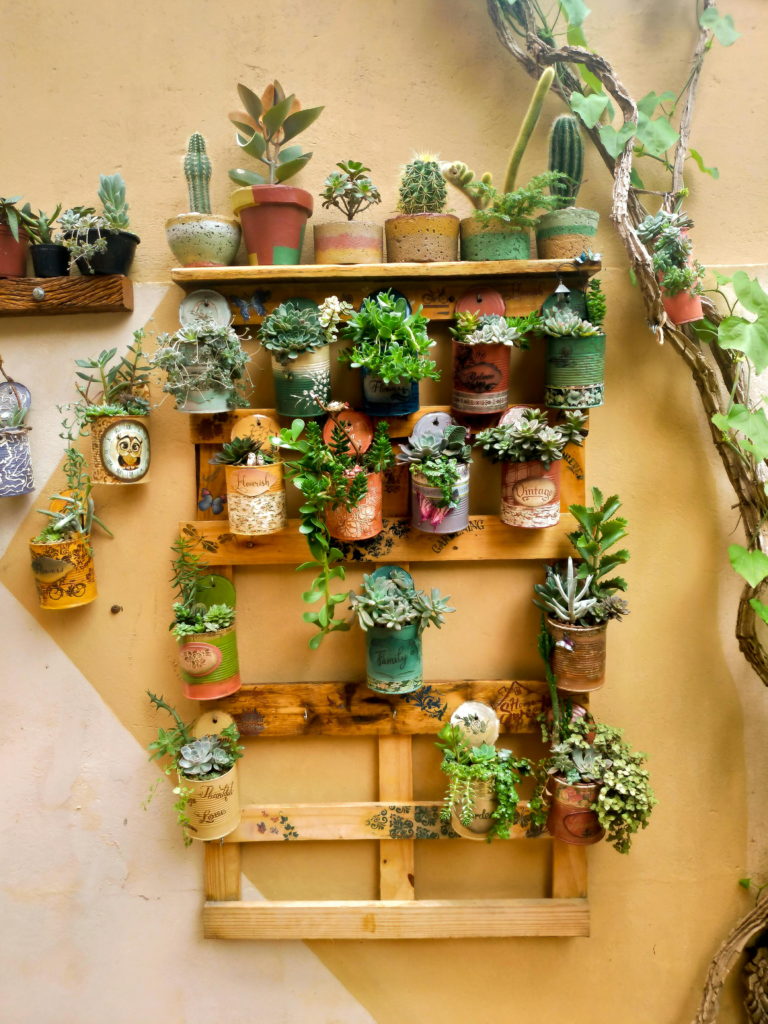
Vertical gardening allows you to make the most of the space available. Ladder shelves work best. You can also consider wall-mounted shelves or plant stands that makes it more decorative and presentable.
Easy-to-grow plants
If you are a beginner, try growing herbs or vegetables that are low maintenance. Since your space is limited, every inch is precious and every plant should earn its place. Since you’re using containers, try growing herbs and some vegetables that are suitable for containers. Some examples for vegetables are:
- Tomatoes
- Lettuce
- Peppers
- Spring Onion
- Potato (Use fabric bags)
- Broccoli
Also consider growing herbs like:
- Basil
- Mint
- Parsley
- Chives
- Cilantro
You can also grow flowers that will brighten up your garden and smell great. Some easy to grow flowers include marigold, petunias and pansies.
Try indoor gardening
If you are out of outdoor space, grow plants indoors. There are lots of beautiful plants you can grow indoors that help purify the air in your home. You could consider the snake plant, peace lily or pothos which are low maintenance and require very little water to survive. These are your best options if you’re a frequent traveller. Herbs like basil and mint can survive on your kitchen window too.
Watering your plants
Since you are using containers to grow plants, ensure you water the plants regularly as they tend to dry out quickly, especially in the summer. To check if your plants are receiving sufficient water, ensure the top layer of the soil is moist. Water your plants early in the morning and avoid over-watering as this can damage the roots. Damaged roots cause the leaves to turn yellow. So if your leaves turn yellow, its either due to insufficient water or excess water.
Natural Fertilizers for plants
- Compost is made from kitchen scraps and waste. These are great for vegetable plants, flowering plants and houseplants.
- Coffee grounds. Used coffee grounds help in improving the texture of the soil. It is best to mix them with your compost instead of adding directly to the soil.
- Eggshells. These are great when crushed and added to the roots as they are rich in calcium and highly beneficial to the plant. Great for vegetable bearing plants.
- Banana peels. They are high in potassium which encourages plants to produce fruit. Great for vegetables and flowers
If you’re serious about creating a thriving garden, I recommend checking out this ebook called The 5 Foot farm. It covers everything from choosing the right plants to troubleshooting common gardening problems.
You Might Also Like:
-
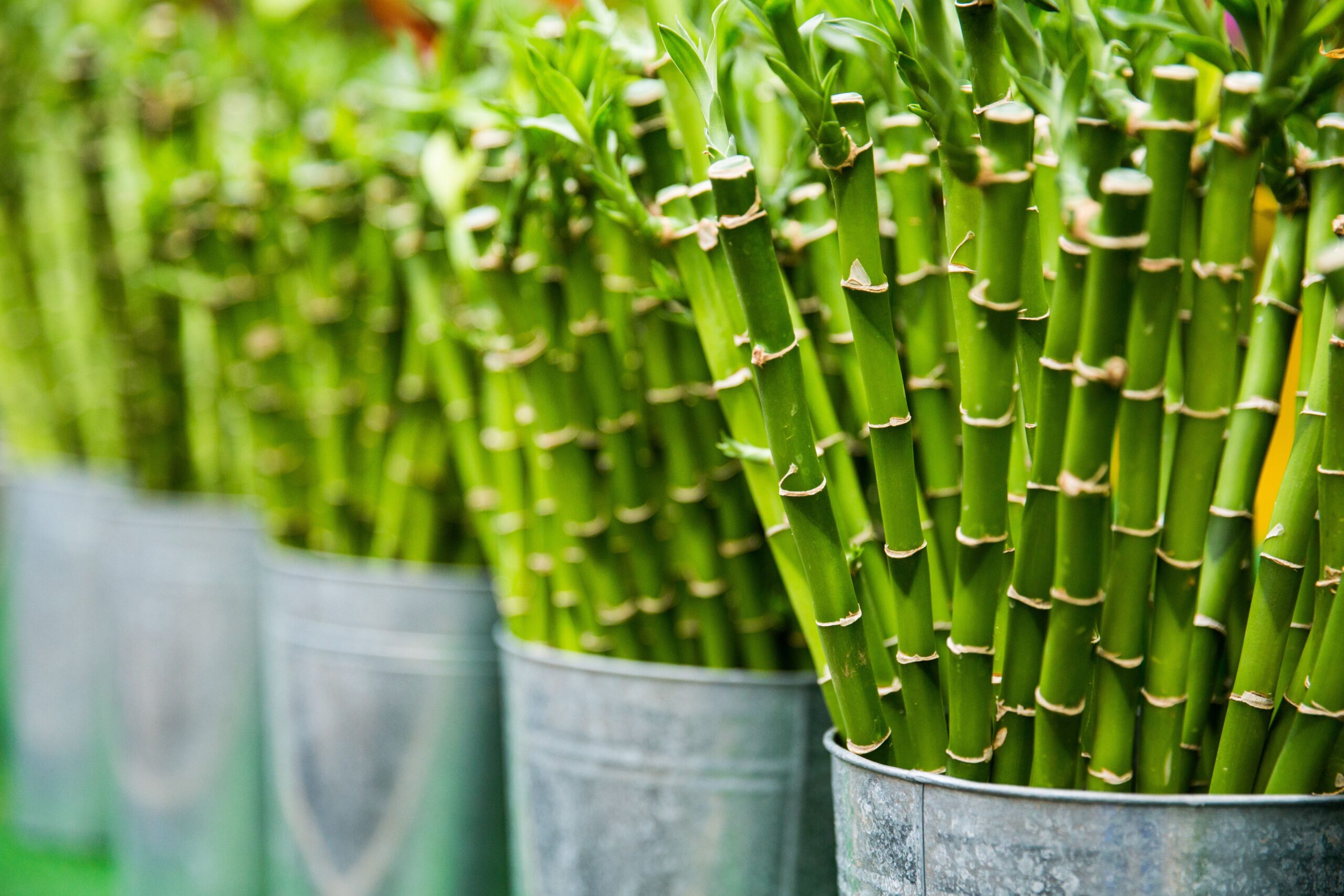
Lucky Bamboo Stalk Meaning
-
Vegetables that Grow in Containers Even Without a Garden
-
How to Propagate plants in water



Leave a Reply