












Natural Fertilizers for Plants: A Simple Guide to Healthier Plants Naturally
Natural fertilizers are one of the best and most economical ways to feed your plants. When I first started gardening from my balcony, I believed that all my plants needed to be healthy, were sunlight and water. I thought that as long as I remembered to water it every day and it had access to sufficient sunlight, it would thrive. The thought of feeding my plants never even crossed my mind, let alone natural fertilizers for plants.
When I noticed that my tomato plants were growing slowly, producing few leaves or not blooming enough, I would move it to a sunny spot, or try and water more often. Only after researching I found out that just like us, plants need extra nutrition to stay healthy. Water is only helpful to keep them alive but feeding them with a fertilizer helps them bear fruit, grow lush foliage and grow stronger roots.
Upon learning what seemed like brand new information, I got so excited I rushed to my nearest nursery and bought a good quality fertilizer. Yes it definitely worked and my plants got better, however since my plant collection was growing, it would become pretty expensive. I began exploring other natural ways of feeding my plants and found out that most of these tips were already easily available in my own kitchen.
You may also be interested in: Gardening with 5 minutes a day
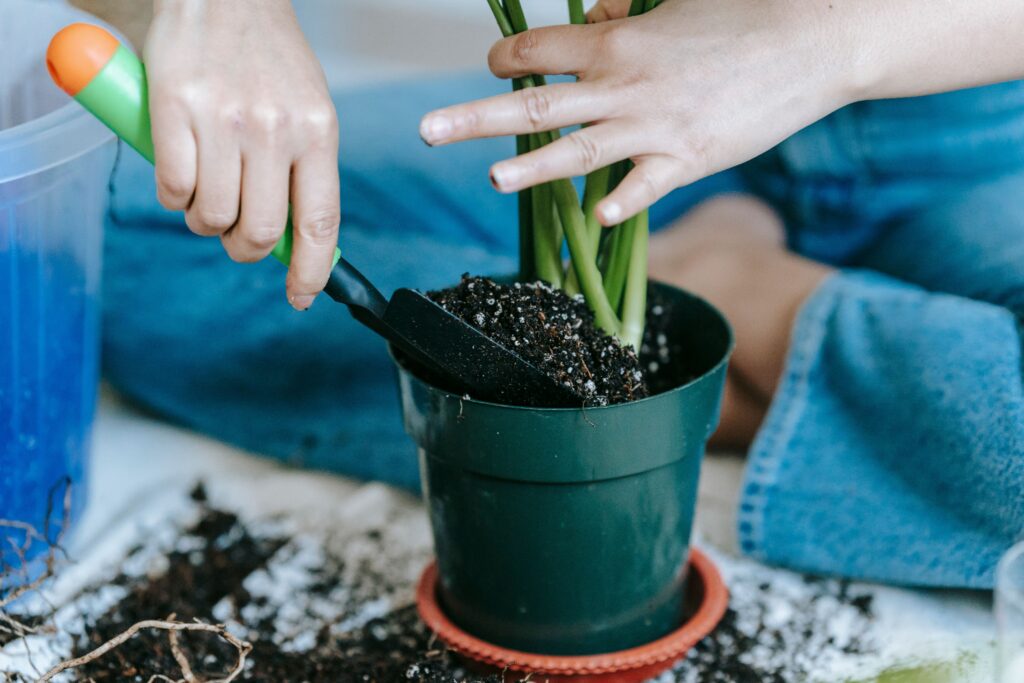
Compost (Black Gold)
Compost is widely known as “black gold” because of its all-round natural fertilizing power. It is one of the most effective natural fertilizers for plants as it can even improve the health of your soil. Store bought fertilizers give your plant a quick burst of nutrients but compost releases nutrients slowly into the soil so that your plants have a continuous supply as they grow.
Compost is made primarily from kitchen waste and scraps like fruit and vegetable peels, tea leaves and coffee grounds. You can also add dead flowers and dried leaves. Instead of throwing all of this out, you can add them to a compost bin. Within a few months, you will end up with a dark colored compost that you can add to your soil to enhance it.
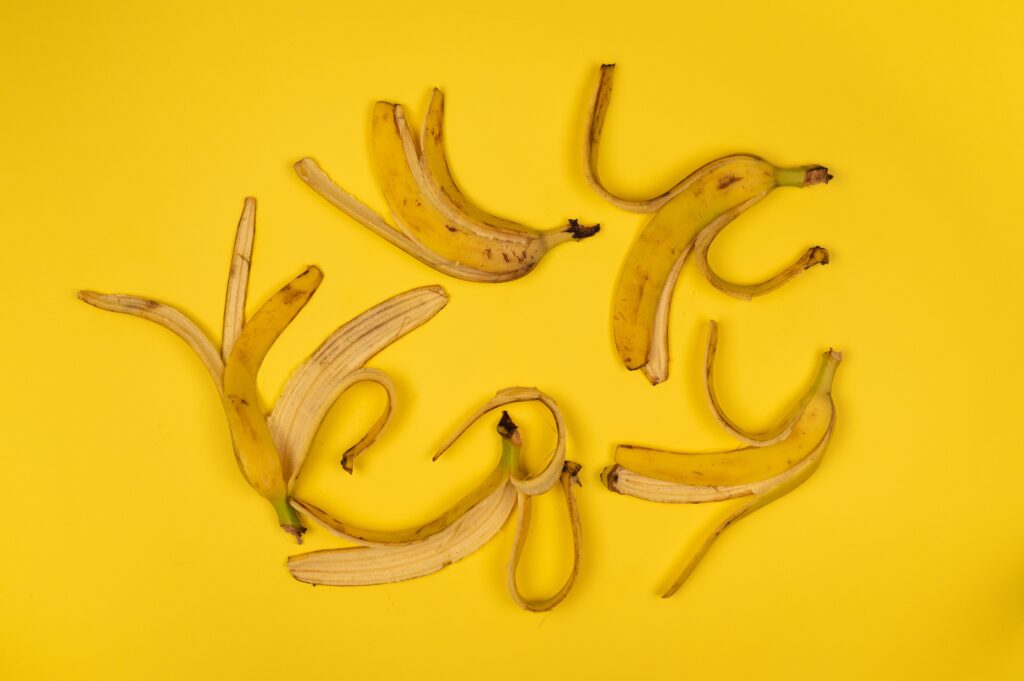
Banana Peels
Unlike compost, banana peels are very easy to repurpose in your garden. They are high in potassium, phosphorus and calcium which help with flowering and fruiting plants.
Instead of throwing out your banana peels, wait for them to turn completely black in color (about 2 days), chop them into pieces and bury them under your flower plants. I usually like to do this when I repot my plants. It is important to chop them up rather than bury them whole. Larger pieces take a longer time to decompose.
Eggshells
Many gardeners throw out eggshells without realizing their worth. They are packed with calcium that helps strengthens plant cell walls. Calcium deficiencies can lead to problems in vegetable bearing plants like tomato or peppers.
The best way to use eggshells for plants is by washing them thoroughly, drying them and grinding them into a fine powder. I like to place them in a ziplock bag and crush them so that I can store it in the bag and use the eggshells whenever I need to.
Coffee grounds
If you are a coffee drinker like me, save the used grounds and mix them with the soil. They contain nitrogen, which are great in boosting new leaf growth. They also add organic matter to the soil, improving drainage and moisture retention. Coffee Grounds are great for plants like roses, hydrangeas or ferns.
To use coffee grounds, simply mix them into the soil while repotting or you can mix them with your compost. Avoid piling them directly over the roots of the plant as it can limit water flow to the roots.
Onion Peel Water
I have recently started using onion peel water for my plants. I use onions in my kitchen every single day and like most people, I used to throw out my peels without realizing its benefits. Onion peels are rich in potassium, calcium and iron which support the development of healthy roots and strengthen stems. Onion peel water is beneficial to all kinds of plants including flowering and non-flowering plants.
After learning about its benefits, I started saving the outer peels of the onions to use as a liquid fertilizer for my garden. It is a great way to your kitchen waste into something so useful. However, onion water isn’t a complete fertilizer, I use it alongside other natural fertilizers. All you need to do is collect the outer peels of a few onions and soak them in about a litre of water for a day or two. Use only the water for your plants.
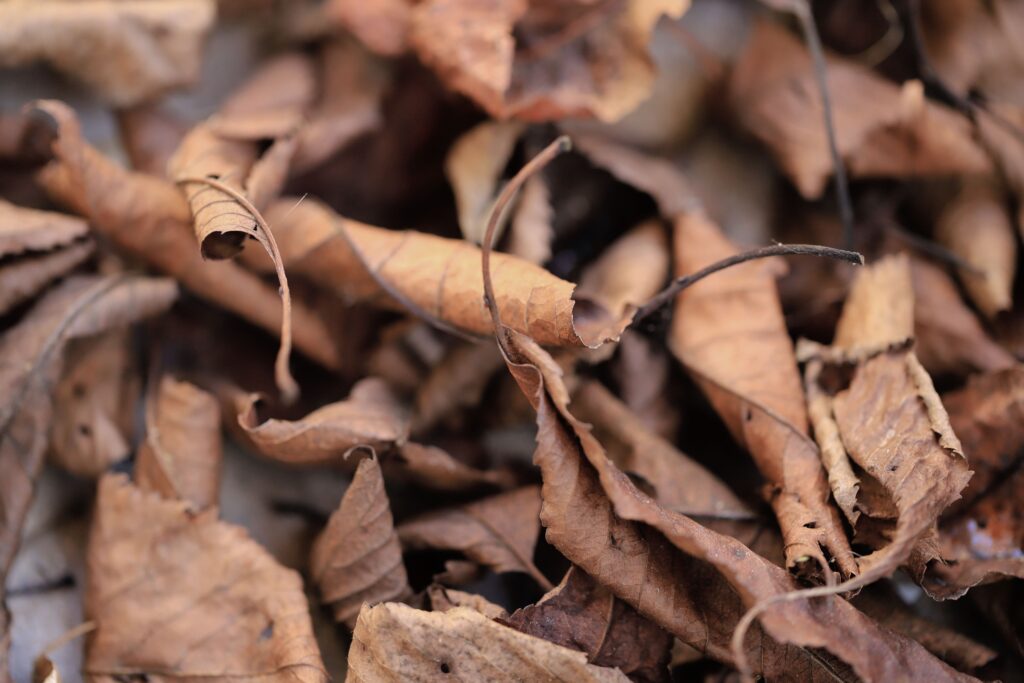
Dried Leaves
Do you rake up all the dried leaves from your garden and throw them away? Start saving them from now as they contain valuable nutrients that can be returned to the environment that other plants can thrive on. Dried leaves are rich in carbon and also contain small amounts of other nutrients like potassium, magnesium and phosphorus. Although they aren’t as powerful as other natural fertilizers, they can be of better use instead of throwing them away.
Use dried leaves around the base of your plants which help in moisture retention. Over time, they will breakdown and enrich the soil. You can also add dried leaves to your compost or mix them into the soil while repotting your plants. Remember to shred the leaves before using as that way they will decompose faster.
The beauty of natural fertilizers is that they not only feed plants but they also improve soil health, reduce household waste, and save money in the long run. They may not provide instant results like store-bought fertilizers, but they help create a healthier garden that continues to thrive.
If you’re just beginning your gardening journey, don’t feel like you need to try every natural fertilizer at once. Start with one or two that are easy to make, such as banana peel or onion peel water, and see how your plants respond. Gardening is all about learning through experience, and you’ll soon discover what works best for your plants and growing conditions.



Leave a Reply